
Ginger Research Programme
Programme Summary
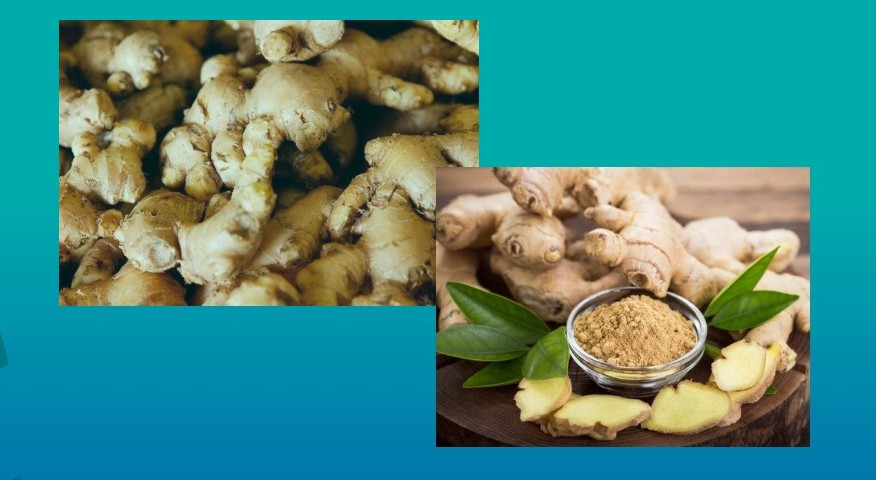
Ginger Research Programme of the Institute is charged with the responsibility to carry out research on ginger (Zingiber officinale Rosc). The Programme has a unique feature of handling a crop that is basically not consumed directly as food but rather finds its use as a major spice in the culinary, food beverage, medicinal and confectionary industries.
Focus Areas
Popularize ginger cultivation in other parts of the country outside the traditional home, Southern part of Kaduna State.
Key Achievements
Adaptability of ginger to the rainforest agro ecology of Nigeria
Development and fabrication of ginger splitting machine
Mulching has been identified as a very important cultural practice in ginger production. This has enhanced the yield of existing varieties.
Development of optimum rhizome sett sizes for seed and ware ginger production: Seed ginger production requires sett size of 15-20g whereas ware ginger production requires sett size of 21 – 35g for optimum production of ginger. This has the advantage of avoiding waste of planting material. This technology has been released to farmers for use.
Development of optimum planting depth for ginger production: Optimum depth of planting for sustainable yield and performance of ginger has been certified to be 10cm.
Development of compactible crop mixtures with ginger
Use of organic manure in ginger production
Establishment of optimum level of micro-nutrient and NPK fertilizers for economic ginger production: Foliar application of 3kg/ha Agrolyzer Micronutrient at 8 WAP and 300kg/ha of NPK fertilizer have been identified to give better and economic yield performance.
New products developed from ginger rhizome: Value addition to ginger rhizome by the development of some ginger-based recipes such as ginger drink, ginger powder, ginger bread biscuits, cookies etc.
Compilation of a compendium of Ginger Research at National Root Crops Research Institute Umudike, Nigeria
Establishment of the current cost and returns of cultivating 1ha of ginger farm in the Guinea Savannah and Rainforest Agro Ecologies of Nigeria.
Current Crop Yield per Hectare
UG1: 12-15t/ha
UG2: 9-11t/ha
Current research Activities
Multi-Location evaluation of promising mutant lines of ginger for possible development of new ginger varieties
Evaluation of selected leguminous crops as life mulching materials for ginger production
Evaluation of Irrigation Method and Frequency for Dry Season Ginger Production in the Savanna Zone of Nigeria
Evaluation of fungicides for the control of yellow leaf spot disease ginger
Evaluation of Post – Emergence Herbicides for Weed Control in Ginger Production
Sensitization of farmers in south east Nigeria to cultivate Ginger
Seed Ginger Multiplication for Distribution to Farmers in Nigeria
Establishment of 1ha Demonstration plot in 5 states of Nigeria
Design and Fabrication of hand driven ginger planter
Challenges
Narrow genetic base
Low yielding varieties
Insufficient mechanization of production process
High production cost
Undeveloped local and international markets
Poor processing facilities
Incidence of yellow leaf spot
Ginger Research Programme of the Institute is charged with the responsibility to carry out research on ginger (Zingiber officinale Rosc). The Programme has a unique feature of handling a crop that is basically not consumed directly as food but rather finds its use as a major spice in the culinary, food beverage, medicinal and confectionary industries.
Ginger Programme has the mandate to:
Develop high yielding and disease resistant ginger varieties that can compete favourably in terms of quality in international market.
Remove drudgery in ginger production through mechanization of the production process.
Develop affordable means of storing and processing ginger without compromising its quality.
Develop efficient marketing channels for ginger in Nigeria.
Sequel to this mandates the Institute commenced effective research on ginger in 1982, although ginger cultivation in Nigeria started around 1929 in Jema’a federated districts of Kaduna State. Ginger Research programme of the Institute is currently charged specifically with the responsibility to carry out research on this crop (Ginger).